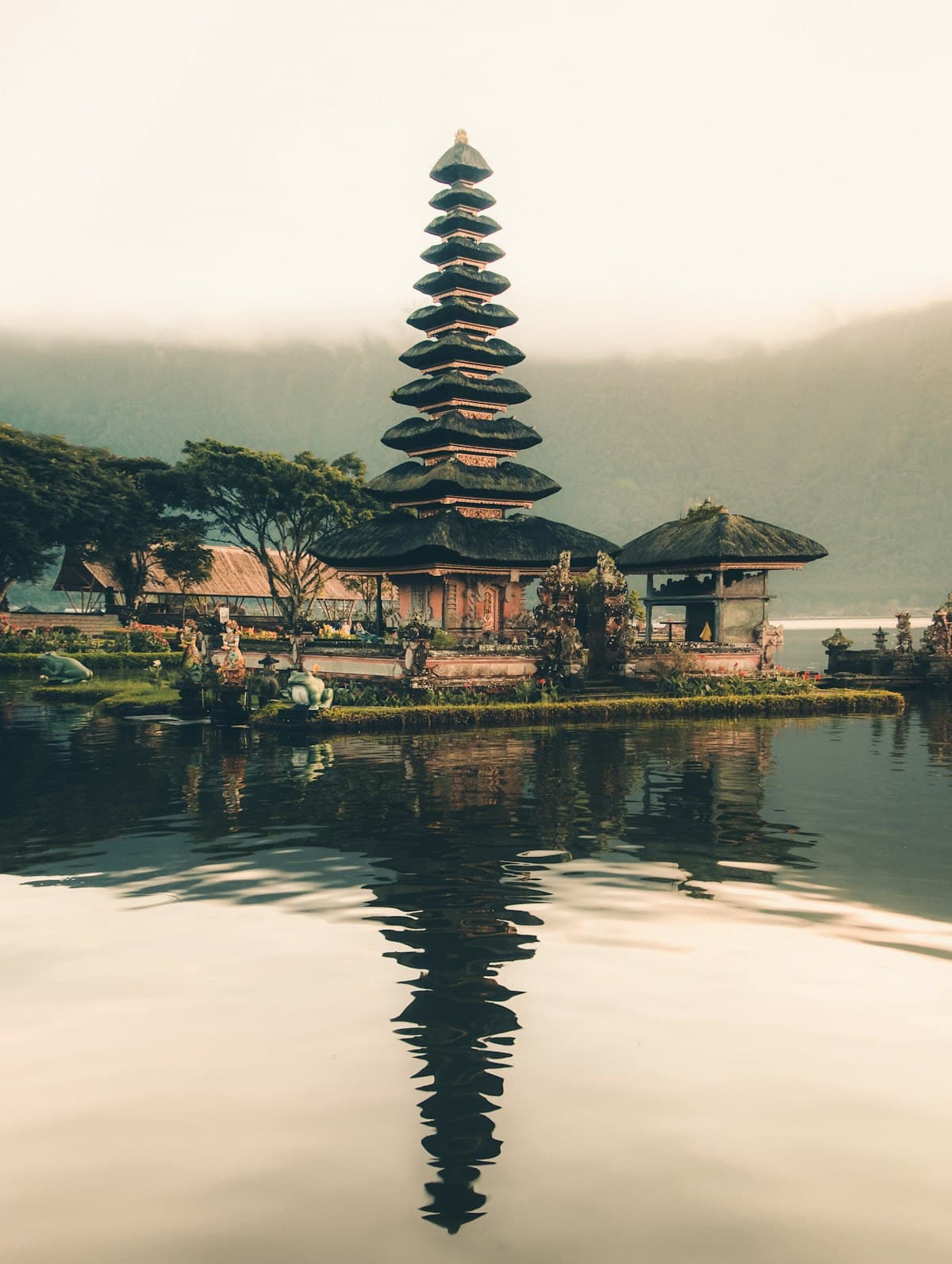
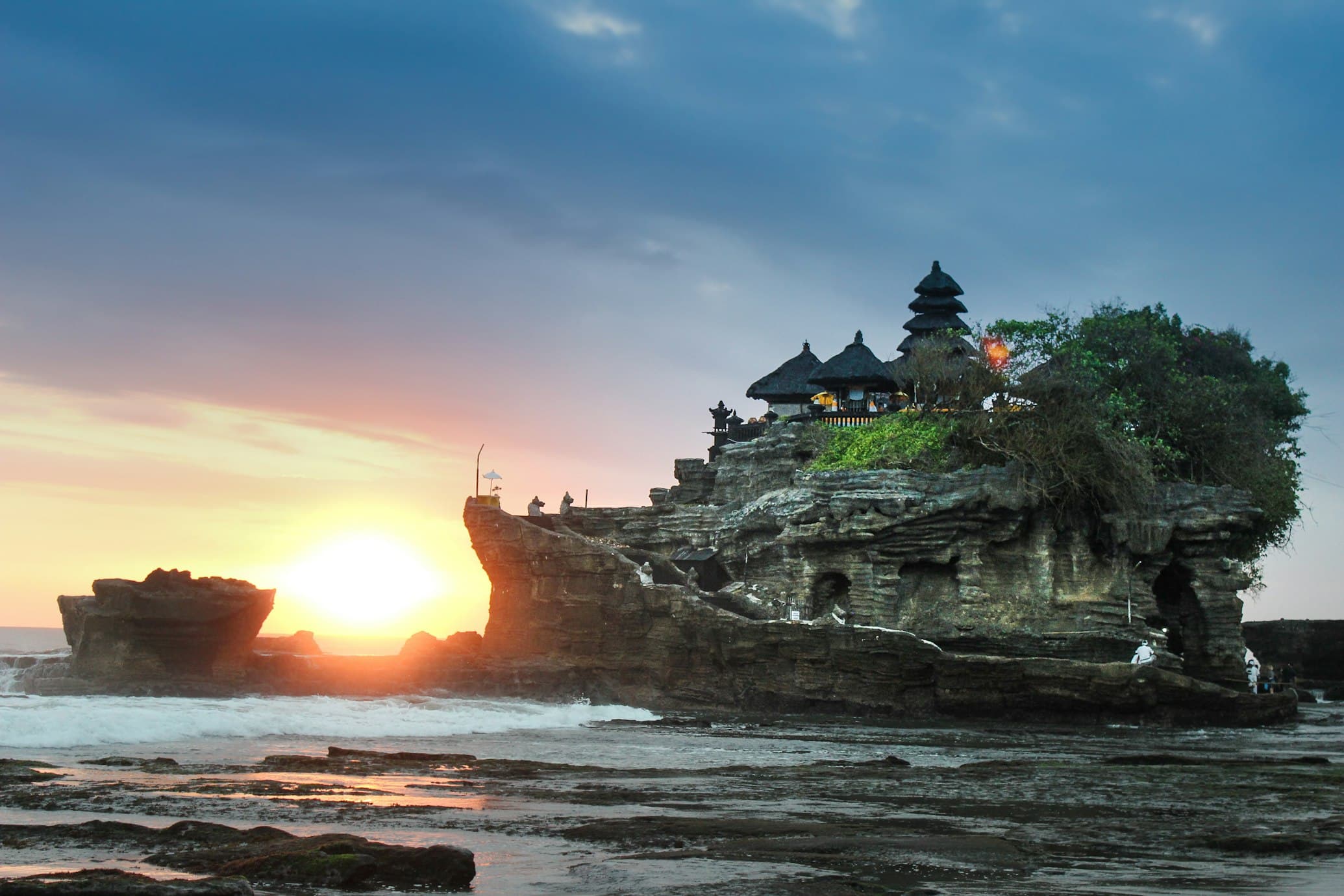
Goa Gajah (Elephant Cave)
Ubud

Goa Gajah (Elephant Cave)

Ancient Archaeological Cave Sanctuary

Cultural Site
Type
Easy
Difficulty
1-2 hours
Duration
50,000 IDR (~$3.50) + sarong rental if needed
Entry Fee

About Goa Gajah (Elephant Cave)

Goa Gajah, also known as the Elephant Cave, is one of Bali's most significant archaeological sites, dating back to the 11th century. This UNESCO World Heritage site combines Hindu and Buddhist elements, representing the religious harmony that has characterized Bali for centuries.

The main attraction is the cave entrance, carved with elaborate demonic faces and intricate stone reliefs that serve as guardians to ward off evil spirits. Inside the narrow cave, visitors can explore meditation niches where ancient priests once practiced spiritual rituals. The cave's name comes from the nearby Petanu River, which was once called Lwa Gajah (Elephant River).

The complex includes ancient bathing pools with carved stone spouts, believed to have been used for purification rituals. Surrounding the main site are beautiful rice paddies and additional archaeological remains, making this an excellent place to experience both Bali's ancient history and its continuing agricultural traditions.


Photo Gallery

Goa Gajah (Elephant Cave) gallery 1
Goa Gajah (Elephant Cave) gallery 2
Goa Gajah (Elephant Cave) gallery 3

Highlights

11th-century cave sanctuary
Elaborate demonic face carvings
Ancient meditation chambers
Sacred bathing pools with stone spouts
UNESCO World Heritage significance
Beautiful rice paddy surroundings

Frequently Asked Questions

Why is it called Elephant Cave when there are no elephants?

The name comes from the nearby Petanu River, which was historically called Lwa Gajah (Elephant River). The cave itself has no connection to elephants, despite the common English name.

Can I go inside the cave?

Yes, visitors can enter the narrow cave to see the meditation niches and ancient carvings. The cave is small and can feel cramped, but it's safe to explore with proper lighting.

Visit Information

Best Time
Early morning (8-10 AM) for cooler weather and fewer crowds
Entry Fee
50,000 IDR (~$3.50) + sarong rental if needed
Difficulty
Easy

What to Bring

  • Sarong (required, can rent on-site)
  • Comfortable walking shoes
  • Camera for carvings and architecture
  • Cash for entry fee
  • Water bottle
  • Hat and sunscreen

Important Tips

  • Dress modestly - sarong required for temple areas
  • Bring flashlight or phone light for cave interior
  • Visit early morning for best lighting and fewer crowds
  • Combine with nearby Tirta Empul Temple visit
  • Respect the sacred nature of the site

Visit with a Tour

Experience Goa Gajah (Elephant Cave) with expert guides and hassle-free transportation

Ubud Cultural & Nature Full Day Tour
Top Rated
UbudPrivate

Ubud Cultural & Nature Full Day Tour

4.9
(1,842 reviews)

Explore Ubud's cultural highlights and natural wonders including Tegallalang Rice Terraces, Monkey Forest, temples, and traditional villages with a private guide.

Tegallalang Rice TerracesSacred Monkey ForestTirta Empul Temple purification

Includes:

  • Private AC car
  • English-speaking guide
  • Entrance tickets
  • +3 more...
10 hours

from

$85 USD